Dirt type
Dust and loose material require a different cleaning system from adhered or wet soil.
Production halls need different robotics than offices or retail. Dust, abrasion, loose debris, large floor areas and vehicle traffic determine whether an autonomous sweeper or a high-performance scrubber is more suitable.
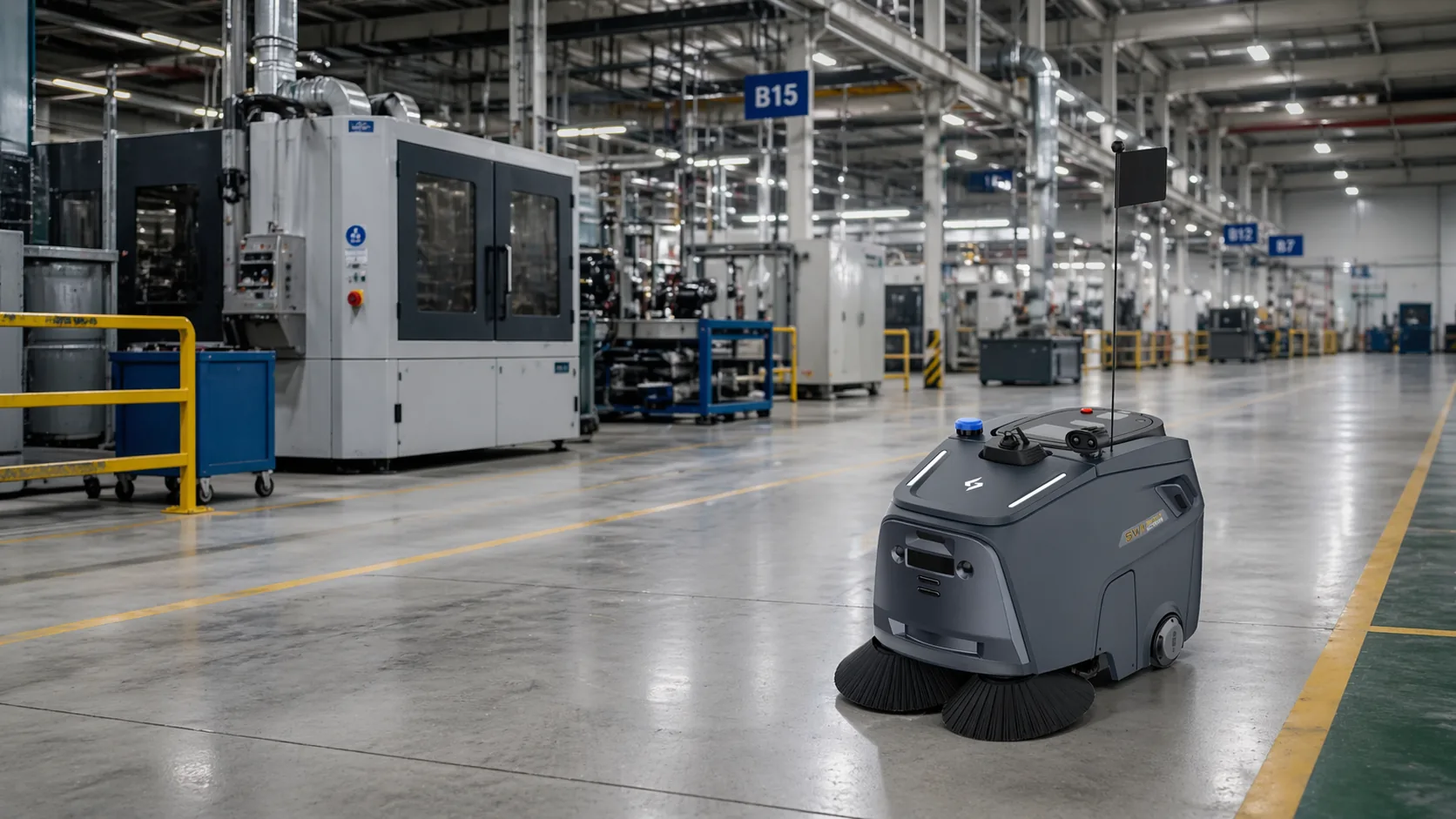
In industrial environments, the key question is not only floor area but what kind of dirt is generated. Dry dust and loose production debris require a different cleaning system than adhered soil or wet cleaning.
Beetle focuses on dry industrial sweeping and dust control. Marvel is relevant for large combined sweeping and scrubbing routines. Omnie is designed for large, dynamic floors with multiple cleaning modes.
Dust and loose material require a different cleaning system from adhered or wet soil.
Forklifts, tugger trains and staff determine when autonomous routes can run reliably.
Open halls, traffic lanes, machine islands and transitions need to be assessed together.
Night and off-peak periods often provide the best opportunity for long autonomous runs.
The right model depends on layout, floor type, dirt profile and operating window. These FrisiLogix models are particularly relevant for this application.
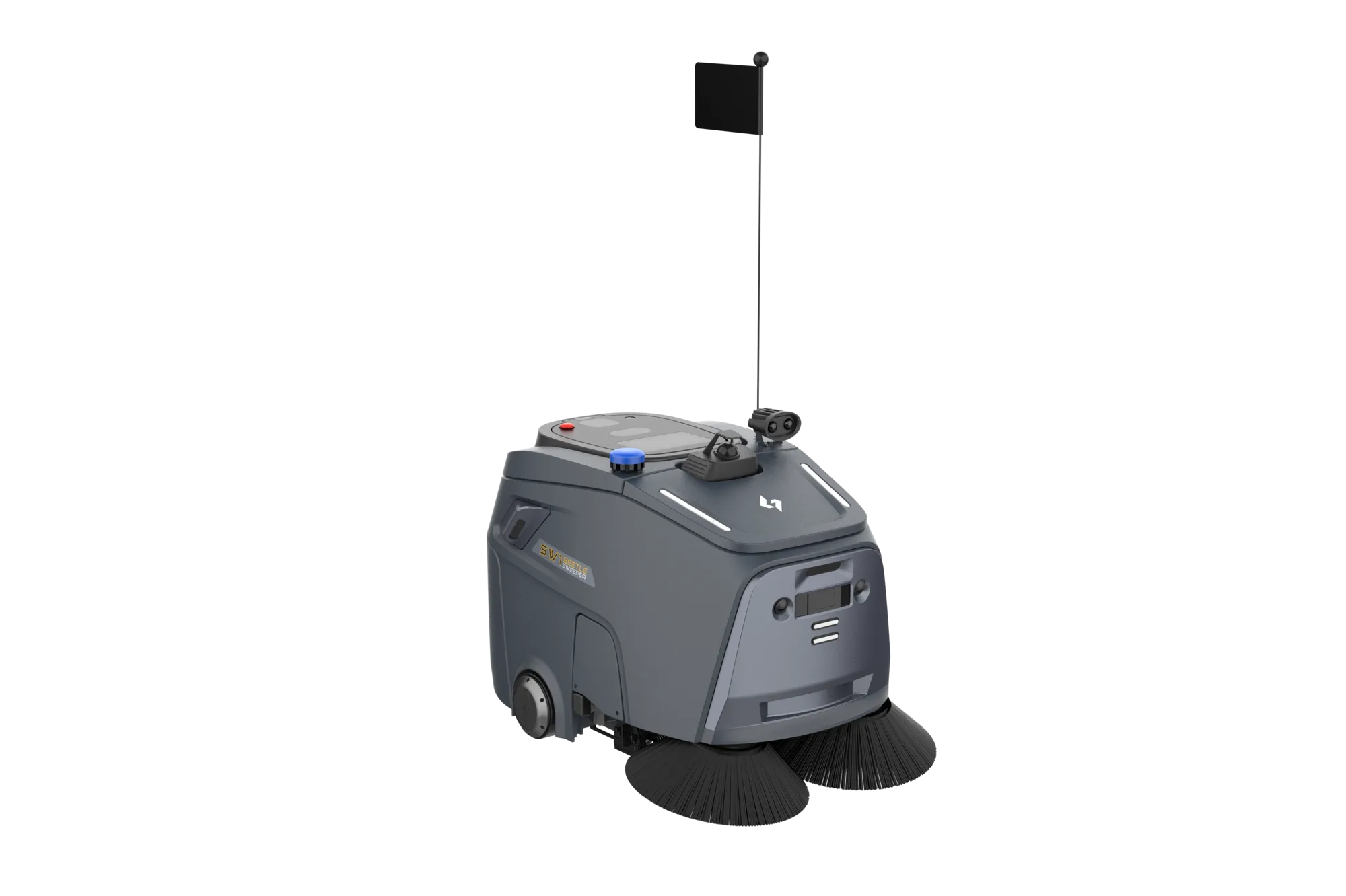
Beetle is designed for large industrial floors with dry dirt, dust and loose debris.
View Gausium Beetle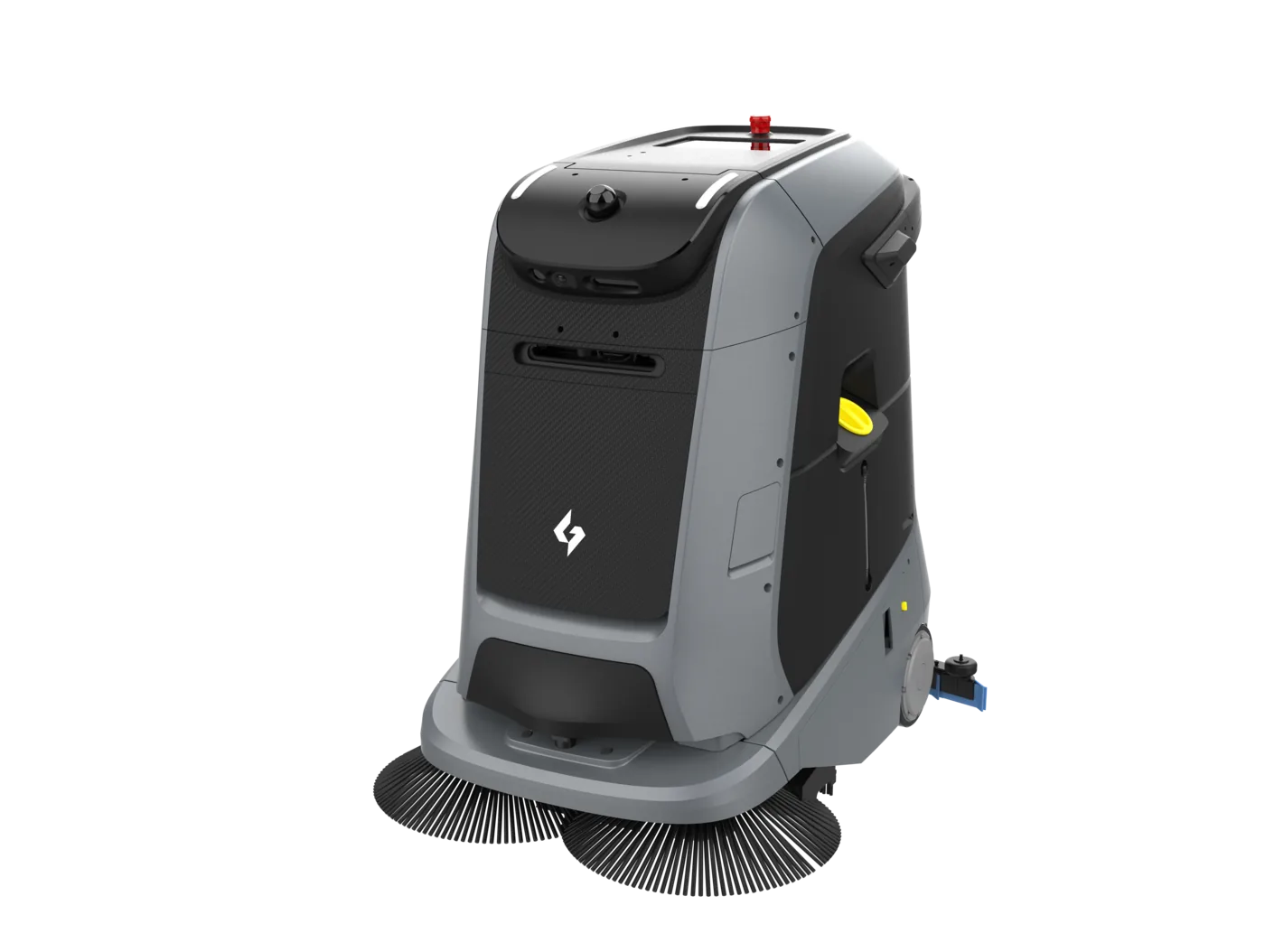
Marvel is relevant for large industrial floors where sweeping and scrubbing are planned as a combined cleaning task.
Gausium Marvel for industry and manufacturing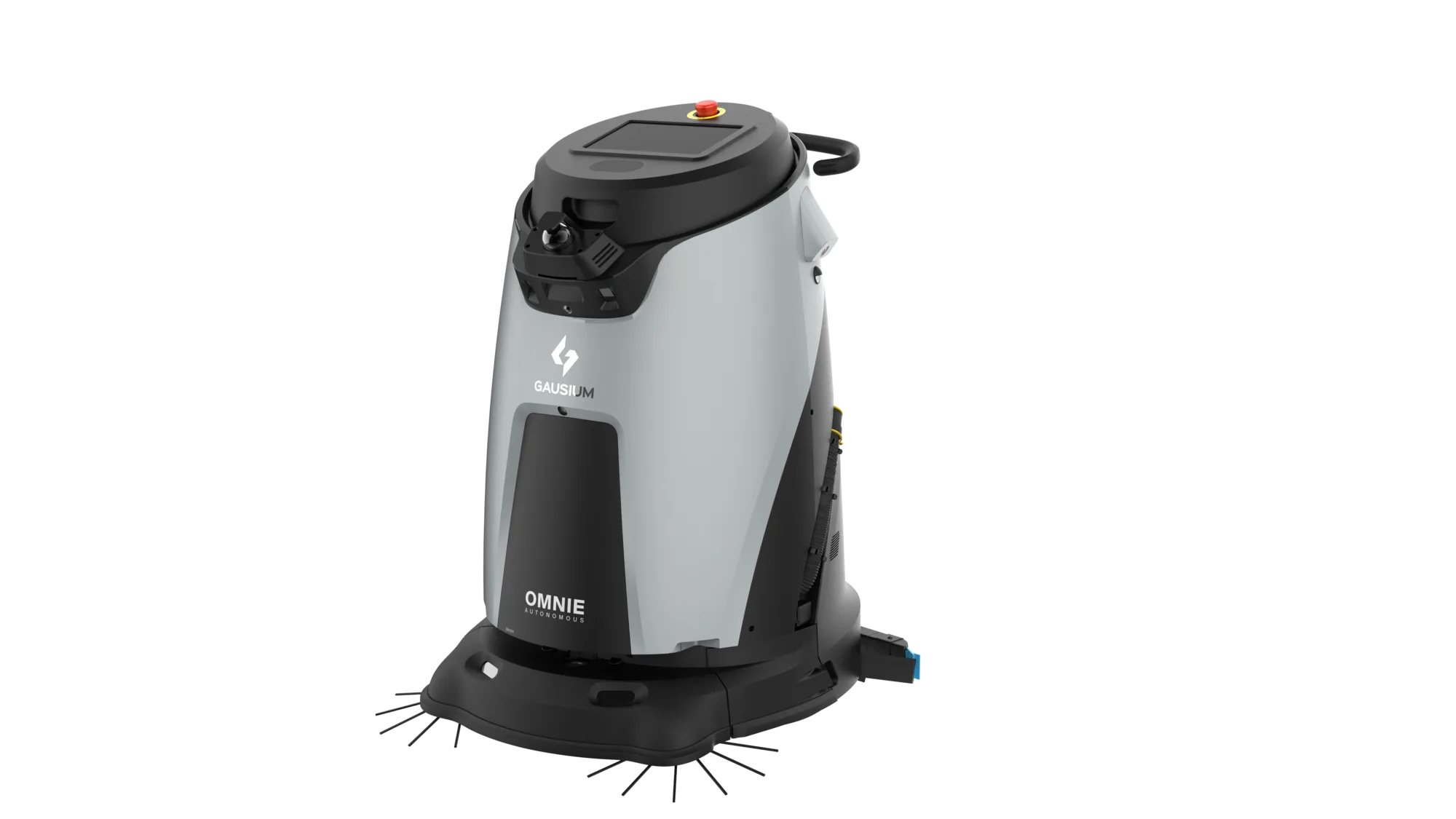
Omnie is relevant for large industrial floors where wet cleaning is needed alongside dry soil and where people, vehicle or delivery traffic makes the environment more dynamic.
Gausium Omnie for dynamic industrial floorsIf several floor profiles or robot models are relevant, the cleaning robots overview brings together all Gausium models, cleaning modes, cost information and application areas on one page.
Assess floor condition, dirt profile and the actually accessible hall area
Include forklift traffic, machine zones, gates and restricted areas in the route plan
Test Beetle, Marvel or Omnie in a representative production area
Configure routes and cleaning windows, assign responsibilities and align service intervals with the operation
An on-site demo shows how the robot handles the actual layout, floor surfaces, traffic and available cleaning windows before a rollout decision is made.